The HTML multiple attribute
In short
The HTML multiple attribute allows the user to enter or select more than one value. It is used on the <input type="email">, <input type="file"> and <select> elements.
Overview
The multiple attribute allows multiple values or selections. It is used on the <input type="email">, <input type="file"> and <select> elements.
It is a form-control attribute: it configures how a control behaves, what it accepts, or its initial value, working alongside the control's <label> and parent <form>. Constraint attributes also feed the browser's built-in validation.
Syntax
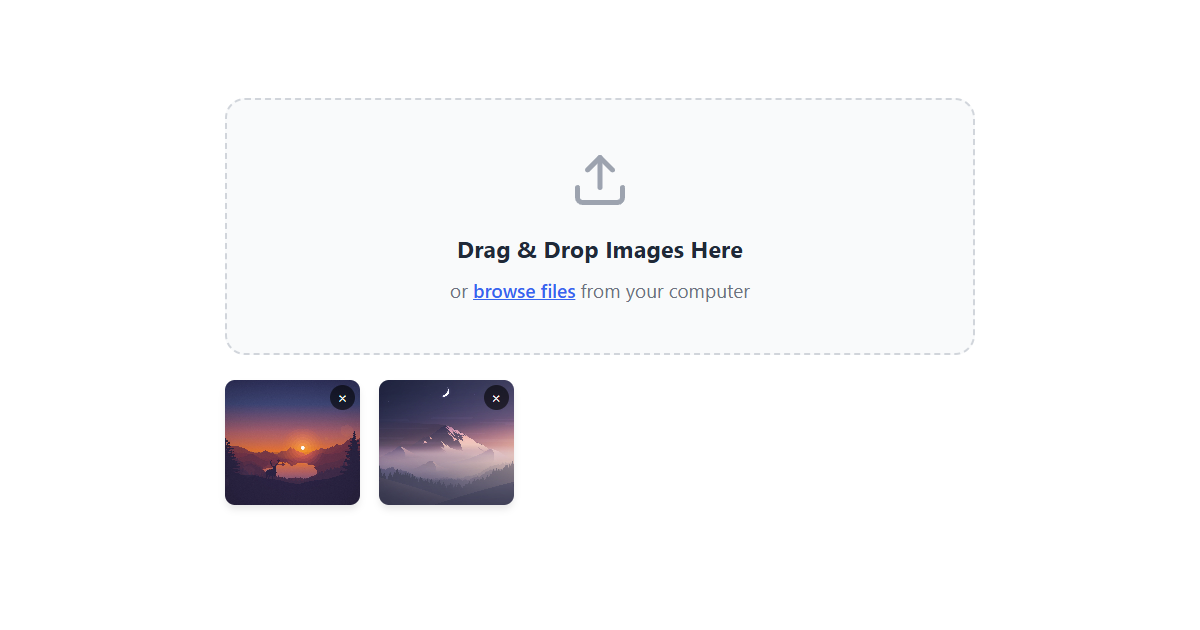
<input type="file" multiple>Values
| Value |
|---|
| A boolean attribute: present or absent. |
Example
<select multiple size="3"><option>A</option><option>B</option><option>C</option></select>More Examples
Best practices
- Give every control a <label> so it has an accessible name.
- Treat client-side constraints as a convenience. Always validate again on the server, since they can be bypassed.
- Choose the most specific input type so users get the right on-screen keyboard and built-in checks.
- Keep the submitted name and value meaningful for whatever processes the form.
Frequently asked questions
What does the multiple attribute do?
Allows multiple values or selections.
Are HTML form attributes enough for validation?
They give instant feedback, but client-side checks can be bypassed, so always validate on the server too.
Do form controls still need a label?
Yes. Every control needs a <label> for an accessible name, whatever attributes you set.
Which elements use the multiple attribute?
It is an element-specific attribute, used on the
<input type="email">, <input type="file"> and <select> elements.






















