The HTML <textarea> tag
The HTML <textarea> element is a multi-line plain-text input. Its size is set with rows and cols (and CSS), and its initial value is the text between its tags, not a value attribute.
Overview
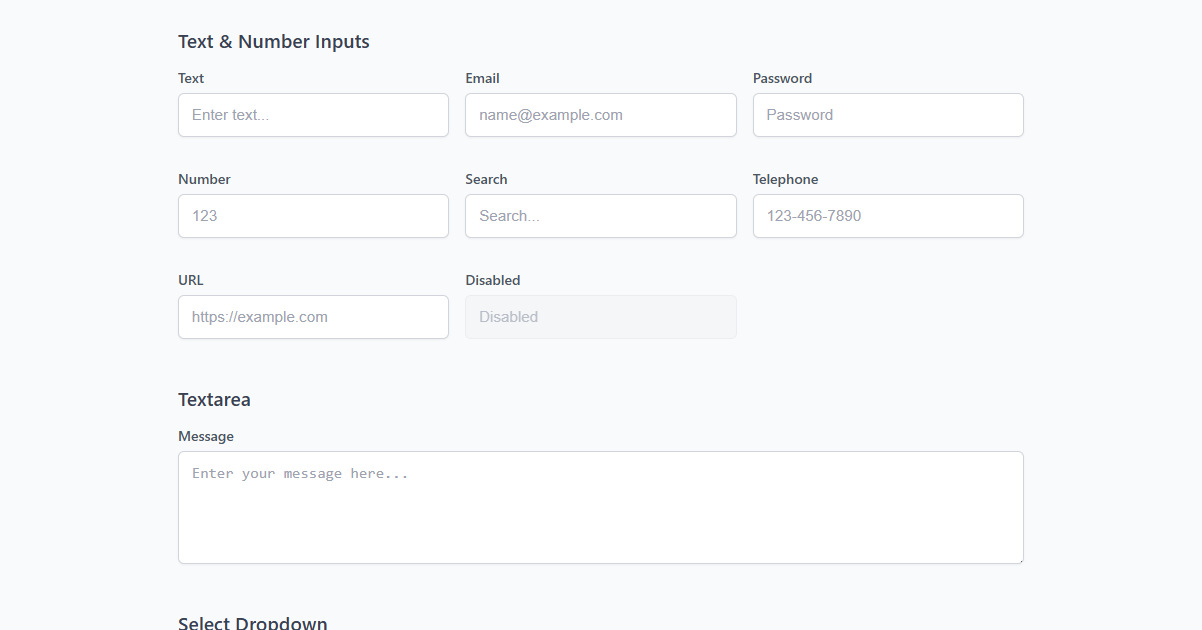
The <textarea> element creates a multi-line plain-text input: the right control for comments, messages, descriptions and any free-form text that may run past a single line.
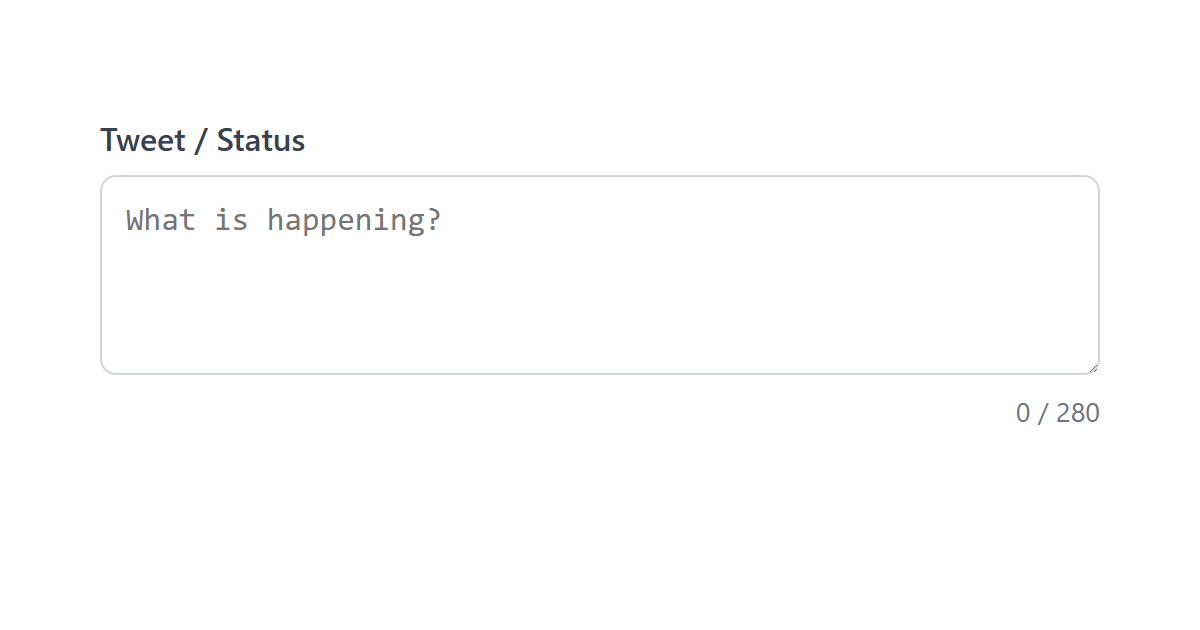
It differs from <input> in a couple of ways worth remembering. Its initial content goes between the opening and closing tags rather than in a value attribute, and it is resizable by the user by default. Set its visible size with the rows and cols attributes (or with CSS), cap the length with maxlength, and control how submitted line breaks are handled with wrap.
As with every control, give it a <label>. If the user-resize handle does not suit your layout, you can constrain or disable it with the CSS resize property.
Syntax
<label for="msg">Message</label>
<textarea id="msg" name="message" rows="4"></textarea>
Attributes
The <textarea> element supports the following attributes, in addition to the global attributes available to every HTML element.
| Attribute | Value | Description |
|---|---|---|
autocomplete |
on, off, or a specific token such as email, name, current-password, one-time-code. |
Controls browser autofill for a field. |
cols |
A positive integer (default 20). | Sets the visible width of a textarea. |
dirname |
A field name to submit the direction under, e.g. comment.dir. |
Submits a field's text direction with the form. |
disabled |
A boolean attribute: present or absent. | Disables a form control. |
form |
The id of a <form> element. |
Associates a control with a form by id. |
maxlength |
A non-negative integer. | Limits the maximum character count. |
minlength |
A non-negative integer. | Sets the minimum character count. |
name |
A string (the field name used in the submitted data). | Names a form control for submission. |
placeholder |
A string of hint text. | Shows hint text in an empty field. |
readonly |
A boolean attribute: present or absent. | Makes a field read-only. |
required |
A boolean attribute: present or absent. | Marks a form control as mandatory. |
rows |
A positive integer (default 2). | Sets the visible line count of a textarea. |
wrap |
soft (default) hard |
Controls textarea line wrapping on submit. |
Example
<label for="c">Comment</label>
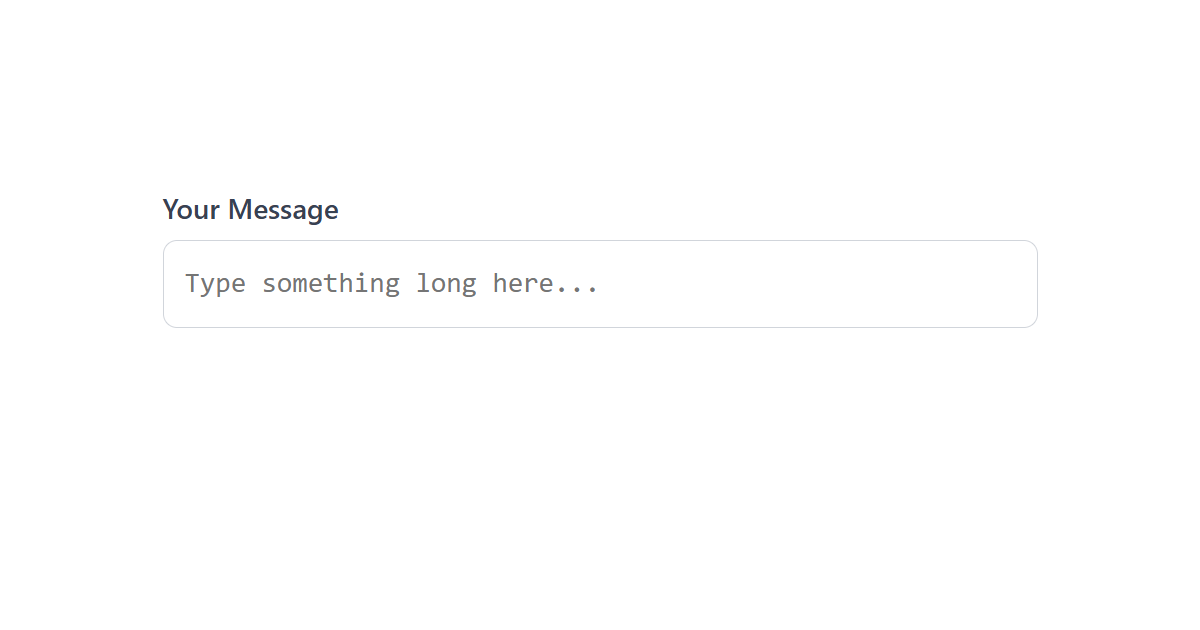
<textarea id="c" name="comment" rows="3" placeholder="Write a comment…" style="width:100%;"></textarea>
More Examples


Best practices
Frequently asked questions
What is the difference between textarea and input?
<textarea> accepts multiple lines and stores its content between the tags; an <input> is single-line and uses a value attribute.How do I set the size of a textarea?
How do I limit the number of characters in a textarea?
maxlength attribute with the maximum number of characters.How do I set default text in a textarea?
<textarea>Default text</textarea>.






















